Comprehensive Guide to Evidence-Based Autism Treatment Options in 2025
Explore the latest proven autism treatments. Learn about ABA therapy, structured learning, and in-home support. Find out which methods are backed by research. See how to choose the right approach for your child.
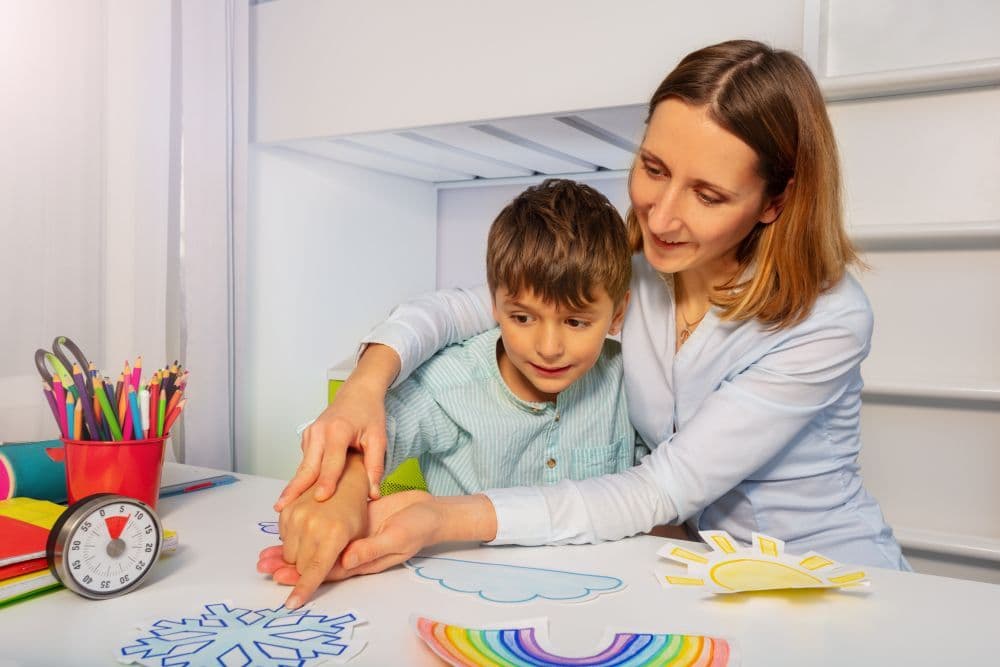
Choosing a treatment is hard. There are many options. In 2025, trust the science. The CDC says evidence-based care works best. This guide helps you choose wisely.
"Diagnosis felt overwhelming. Many treatments were marketed to us. We learned to find the ones with scientific proof. Buzz ABA is built on this commitment to proven methods." – The Monico Family, Founders of Buzz ABA
This guide reviews research-supported treatments for 2025. We help families decide. We explore proven approaches and compare options.
What is 'Evidence-Based'?
Evidence-based means scientifically proven. These treatments passed strict tests. The National Autism Center groups them by proof level:
- Established treatments: Often have sufficient evidence of effectiveness
- Emerging treatments: Have some evidence but need more research
- Unestablished treatments: Have little to no scientific proof
- Ineffective/harmful treatments: Show no benefit or potential harm
"Evidence-based" demands rigorous testing. It means the treatment works. The National Autism Center ratings help you avoid unproven methods.
Applied Behavior Analysis (ABA): The Gold Standard
What Is ABA Therapy?
ABA is widely researched and endorsed. Leading groups like Autism Speaks and the American Psychological Association recognize it. The U.S. Surgeon General does too. ABA uses clear methods to build useful skills.
ABA helps with communication and social skills. It also aids self-care. The National Institutes of Health supports intensive ABA. It boosts thinking and behavior.
Evidence Supporting ABA
The evidence for ABA is strong:
- Meta-analyses: A large review showed ABA improves social and language skills
- Long-term outcomes: Gains from ABA last for years
- Early intervention: The CDC says starting before age 3 is best
- Access: Better insurance coverage leads to better results
Types of ABA Programs
Modern ABA therapy includes several evidence-based approaches:
- Early Intensive Behavioral Intervention (EIBI): Comprehensive 25-40 hour weeks for young children (ages 2-6)
- Discrete Trial Training (DTT): Structured teaching with clear instructions and rewards
- Natural Environment Teaching (NET): Learning within daily activities
- Pivotal Response Training (PRT): Focuses on key areas affecting multiple behaviors
- Verbal Behavior Intervention: Applies ABA to language development
Structured Learning Environments
Children with autism often thrive in structure. Predictable environments reduce anxiety and help learning. The National Institute of Mental Health calls structured teaching key.
TEACCH
TEACCH uses structure to help kids learn. It focuses on visuals and routines. Studies show it boosts independence. Key parts include:
- Visual schedules
- Physical structure of learning spaces
- Work systems for independent tasks
- Visual instructions
Classroom Strategies
Proven classroom strategies include:
- Structured teaching: Clear expectations and routines
- Peer-mediated interventions: Teaching peers to support social skills
- Self-management: Teaching children to regulate their own behavior
- Video modeling: Using video to teach skills
In-Home Behavioral Support Services
In-home therapy has key advantages. Children learn skills where they spend most of their time. Autism Speaks notes that home-based teaching helps children use skills in real life.
Benefits of In-Home Services
- Natural environment: Skills are taught in the setting where they'll be used
- Family involvement: Parents learn strategies alongside their child
- Individualized programming: Treatment targets family priorities and daily routines
- Reduced generalization barriers: Skills learned at home don't need to transfer from clinic settings
- Sibling inclusion: Brothers and sisters can participate in learning activities
Evidence for Home-Based ABA
A study in the Journal of Applied Behavior Analysis proves home ABA works. Outcomes are as good as clinic-based care. Plus, parents feel more confident.
Speech and Language Therapy
About 40% of autistic children stay minimally verbal. This comes from Autism Speaks research. Evidence-based speech therapy methods include:
- Augmentative and Alternative Communication (AAC): Picture systems, sign language, and speech-generating devices
- Social communication intervention: Teaching pragmatic language skills
- PROMPT (Prompts for Restructuring Oral Muscular Phonetic Targets): Tactile-kinesthetic approach for speech production
- Naturalistic developmental behavioral interventions: Communication teaching within play and daily activities
The American Speech-Language-Hearing Association recommends combining speech therapy with behavioral interventions for maximum effectiveness.
Occupational Therapy
Occupational therapy (OT) addresses sensory processing differences, motor skills, and activities of daily living. Evidence-based OT interventions for autism include:
- Sensory integration therapy: Helping children process and respond to sensory information
- Visual-motor skill development: Improving handwriting, cutting, and coordination
- Self-care skills training: Dressing, grooming, and feeding independence
- Fine motor development: Strengthening hand skills for academic and play activities
Research in the American Journal of Occupational Therapy supports combining OT with behavioral interventions for comprehensive skill development.
Social Skills Training
Social interaction challenges are a core feature of autism. Evidence-based social skills interventions include:
- Social skills groups: Structured groups teaching interaction skills
- Video modeling: Watching and imitating social behaviors
- Social stories: Narratives explaining social situations and expectations
- Peer-mediated interventions: Teaching peers to facilitate social interactions
- Social coaching: Real-time guidance during social situations
The CDC reports that systematic social skills instruction improves friendship quality, reduces bullying, and enhances overall quality of life.
Medication: When and What Works
While no medication treats the core symptoms of autism, the National Institute of Mental Health recognizes that medications can address co-occurring conditions:
- Irritability and aggression: FDA-approved medications (risperidone, aripiprazole) can reduce severe behavioral challenges
- Hyperactivity and inattention: Stimulant medications may help children with co-occurring ADHD
- Anxiety: SSRIs may benefit children with significant anxiety symptoms
- Sleep disturbances: Melatonin has evidence for improving sleep onset and duration
Always combine medication with behavioral support. A qualified medical professional should monitor closely. The American Academy of Pediatrics says behavioral methods should come first. Medication is added when behavior support alone is not enough.
Comparison of Evidence-Based Treatment Approaches
Understanding how different treatments compare can help families make informed decisions:
| Treatment Type | Strength of Evidence | Typical Intensity | Primary Target Areas | Best For |
|---|---|---|---|---|
| ABA Therapy (EIBI) | Strong - Extensive research base | 25-40 hrs/week | All skill domains | Young children (2-6 years) needing comprehensive intervention |
| Focused ABA | Strong - Well-established | 10-25 hrs/week | Specific skill deficits | Targeting particular behaviors or skills |
| Speech Therapy | Moderate to Strong | 1-5 hrs/week | Communication, language | Children with speech/language delays |
| Occupational Therapy | Moderate | 1-3 hrs/week | Sensory, motor, daily living | Sensory processing or motor challenges |
| Social Skills Groups | Moderate | 1-2 hrs/week | Social interaction | Higher-functioning children needing peer interaction |
| TEACCH | Moderate | Ongoing | Independence, structure | Children benefiting from visual supports |
| Medication | Moderate (for co-occurring conditions) | Daily | Irritability, hyperactivity, anxiety | Severe behavioral challenges not responding to behavioral intervention alone |
Combining Treatments: A Multimodal Approach
Studies show mixing treatments works better than using just one. A full treatment plan might include:
- Core behavioral intervention: ABA therapy as the foundation (15-40 hours per week)
- Communication support: Speech therapy 2-3 times weekly, integrated with ABA goals
- Sensory and motor development: Occupational therapy 1-2 times weekly
- Social skill development: Social skills group or peer-mediated interventions weekly
- Parent training: Regular coaching to implement strategies at home
- School collaboration: Coordination with educational team for consistency
The Autism Speaks 100 Day Kit provides excellent guidance on building a comprehensive treatment team.
How to Choose the Right Treatment Approach
Selecting appropriate treatments requires careful consideration of multiple factors:
1. Assess Your Child's Needs
- What are the priority areas? (Communication, behavior, social skills, daily living)
- What is your child's current functioning level?
- Are there co-occurring conditions (ADHD, anxiety, sleep issues)?
- What are your child's strengths and interests?
2. Consider Evidence Quality
- What does the research say about effectiveness?
- Has the treatment been studied in children similar to yours?
- Are the claimed benefits realistic and measurable?
- Does a reputable organization like the CDC or Autism Speaks endorse it?
3. Evaluate Practical Factors
- Availability: Are qualified providers accessible in your area?
- Insurance coverage: Will your insurance cover the treatment?
- Time commitment: Can your family accommodate the treatment schedule?
- Cost: What are out-of-pocket expenses?
- Family priorities: Does the treatment align with your values and goals?
4. Verify Provider Qualifications
- ABA providers: Board Certified Behavior Analysts (BCBAs) with autism experience
- Speech therapists: Licensed SLPs with autism specialization
- Occupational therapists: Licensed OTs experienced in autism and sensory processing
- Physicians: Developmental pediatricians or child psychiatrists knowledgeable about autism
Red Flags: Treatments to Approach with Caution
Unfortunately, the autism treatment landscape includes many unproven or potentially harmful approaches. The CDC warns families to be skeptical of treatments that:
- Promise to "cure" autism
- Claim to work for everyone
- Have no peer-reviewed research supporting them
- Are promoted primarily through testimonials rather than scientific studies
- Involve potentially dangerous procedures (chelation, bleach products, etc.)
- Require families to pay large sums upfront
- Discourage consultation with medical professionals
Always consult with your child's healthcare team before starting any new treatment, especially those involving dietary changes, supplements, or alternative medical approaches.
Getting Started: Taking the First Steps
If you're ready to pursue evidence-based treatment for your child:
- Get a comprehensive evaluation: A thorough assessment identifies specific needs and treatment priorities
- Contact your insurance company: Understand your coverage for autism services
- Research qualified providers: Look for BCBAs, licensed therapists, and experienced professionals
- Request consultations: Meet with potential providers to discuss their approach and experience
- Start with core interventions: Begin with ABA or other intensive behavioral support
- Add complementary services: Layer in speech, OT, and social skills as needed
- Monitor progress: Track outcomes using objective measures
- Adjust as needed: Treatment plans should evolve as your child grows and develops
The Buzz ABA Approach: Evidence-Based Excellence
At Buzz ABA, we're committed to providing only evidence-based treatments backed by rigorous scientific research. Our comprehensive approach includes:
- BCBA-designed programs: All treatment plans created and supervised by Board Certified Behavior Analysts
- In-home services: Therapy delivered in your family's natural environment
- Family-centered approach: Parents trained as essential partners in their child's progress
- Individualized treatment: Programming tailored to each child's unique strengths and needs
- Data-driven decision making: Continuous measurement and adjustment based on objective outcomes
- Collaborative care: Coordination with speech therapists, OTs, schools, and medical providers
- Insurance expertise: Assistance navigating coverage and authorization processes
We serve families throughout New Hampshire, bringing proven, research-based autism treatment directly to your home. Our team stays current with the latest research and best practices to ensure your child receives the most effective interventions available.
Conclusion: Hope Through Evidence
Autism treatment has come a long way. Families now have access to many proven methods. These can greatly improve outcomes. The journey may feel hard at first. Focus on science-backed approaches for the best results.
No single treatment works for every child. What works may change over time. Start with proven methods like ABA therapy. Watch progress closely. Adjust as your child responds. With the right mix of treatments and support, children can reach their full potential.
Looking for proven autism treatment in New Hampshire? Buzz ABA is here to help. Our BCBAs and therapists offer research-backed ABA therapy in Manchester, Nashua, and beyond. We also offer center-based programs. We design programs around your child's needs and your family's goals. Contact us today for a free consultation.
Start Your Child's Journey Today
Buzz ABA provides comprehensive, evidence-based ABA therapy in Concord, Manchester, Nashua, and surrounding NH communities. Learn more about our services and explore free parent resources.
Start Your Journey