Building Support Networks for Families with Children with Autism in 2025
A comprehensive guide to finding your community, connecting with resources, and building a circle of support that helps your whole family thrive.
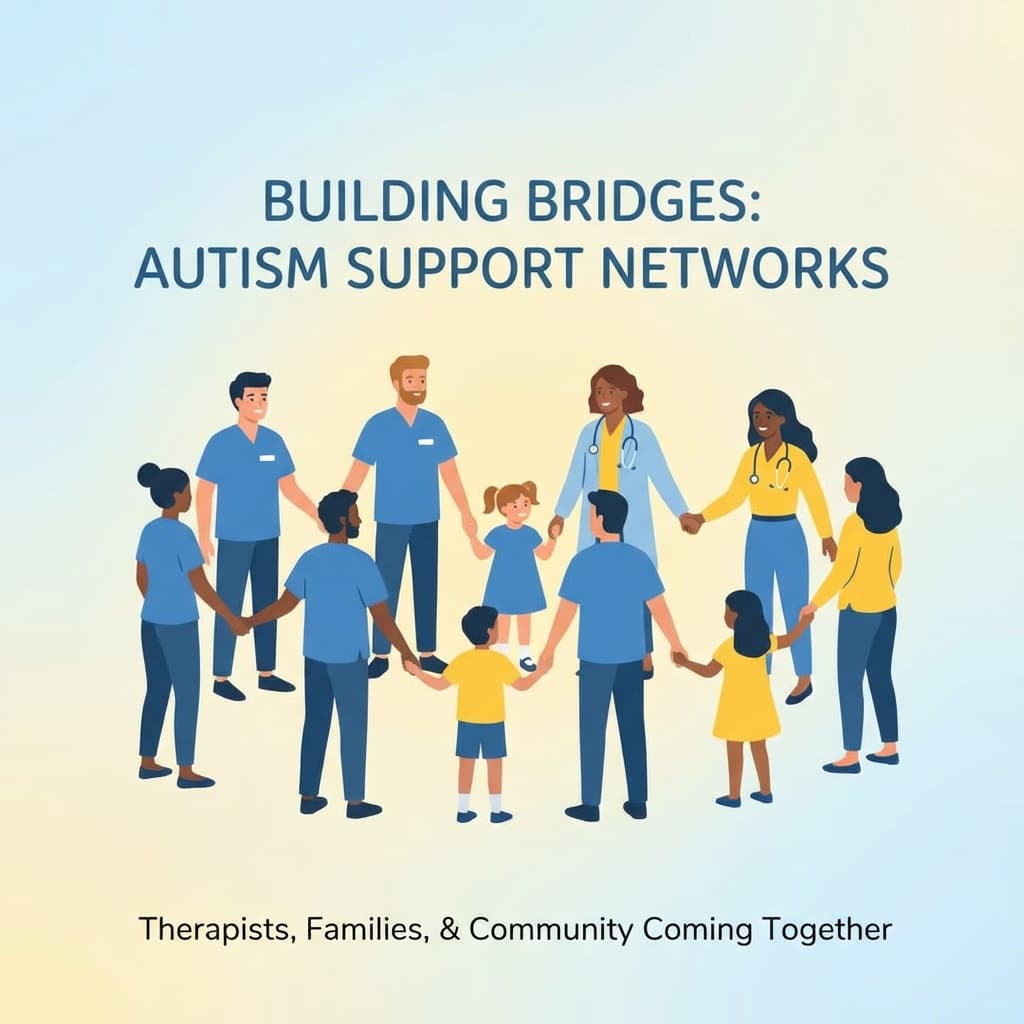
Raising a child with autism is a journey no family should navigate alone. Research from Autism Speaks consistently shows that families with strong support networks experience lower stress levels, better mental health outcomes, and greater confidence in managing their child's needs. Yet many families struggle to find their community, uncertain where to turn for understanding, practical advice, and emotional support.
A Personal Note from the Monico Family
"When our son was diagnosed with autism at age 8, we felt completely alone. We didn't know other families going through similar experiences, and the isolation was overwhelming. Building our own support network—connecting with other parents, finding understanding therapists, and joining autism organizations—transformed our journey. That experience inspired us to create Buzz ABA in Concord, NH, where we help families not only access therapy but also connect with the support community they need."
In 2025, support networks for families with special needs are more accessible and diverse than ever before—from local parent groups and national organizations to online communities and autism support services at home. This comprehensive guide will help you discover, evaluate, and connect with the support systems that will sustain your family through challenges and celebrate your victories together.
Why Support Networks Matter for Autism Families
The National Institute of Mental Health recognizes that family support is a critical component of comprehensive autism care. Beyond the clinical interventions and educational services, emotional and practical support from others who understand makes a profound difference.
Emotional Benefits
- Reduced isolation: Connecting with families facing similar challenges combats loneliness
- Validation: Other autism parents "get it" in ways friends without special needs children may not
- Hope: Seeing other families thrive provides encouragement
- Stress relief: Sharing struggles with empathetic listeners reduces burnout
- Celebration: A community that understands why small milestones are monumental
Practical Benefits
- Information sharing: Learning about therapists, schools, and resources
- Navigation guidance: Understanding insurance and IEPs
- Recommendations: Finding sensory-friendly activities and providers
- Advocacy skills: Learning how to advocate effectively
- Respite: Arranging childcare swaps with families who understand
According to research in the Journal of Autism and Developmental Disorders, when parents receive strong support, their children benefit through more consistent implementation of therapeutic strategies, reduced family stress, and increased social opportunities.
Types of Support Networks
Support comes in many forms, and the best network often includes multiple types of connections serving different needs.
Local Parent Support Groups
In-person parent groups offer face-to-face connection and local resource sharing. These groups typically meet monthly and may be facilitated by organizations, therapists, or parent leaders.
How to Find Local Groups:
- Contact your state's Autism Society chapter
- Check with your child's therapy providers or school district
- Search Facebook for "[Your City] Autism Parent Support"
- Ask at children's hospitals or developmental clinics
Online Communities
Digital communities offer 24/7 support, especially valuable for parents who can't attend in-person meetings.
- Facebook Groups: Organized by location, age, or diagnosis
- Reddit Communities: r/Autism, r/AutismParenting
- The Autism Site Forums: Moderated discussions
- Wrong Planet: Community for individuals on the spectrum and families
National Autism Organizations
Major organizations provide resources, advocacy, and connections to local support.
- Autism Speaks: Resource guide, response team, tool kits
- Autism Society of America: Local chapters, helpline, conferences
- Autistic Self Advocacy Network (ASAN): Autistic-led resources and advocacy
Comprehensive Resource Directory
Financial & Insurance
- Family Voices: Health insurance navigation
- Autism Speaks Grants: Financial assistance
- Medicaid Waivers: Home and community-based services
Education & Advocacy
- Understood.org: IEP and learning resources
- PACER Center: Special education advocacy
- Wrightslaw: Special education law
Mental Health
- Psychology Today: Therapist directory
- NAMI: Mental health support
Sibling Support
- Sibling Support Project: SibShops and resources
Success Stories: Finding Community
The Martinez Family: From Isolation to Leadership
When Diego was diagnosed at 2.5, Maria and Carlos felt overwhelmed. Connecting with a Spanish-speaking parent mentor changed everything. Within six months, they were attending support groups, navigating services, and Maria eventually became a mentor herself.
"At first, I thought I was the only mother feeling this way. But when I met other autism mamas, I realized we all felt these things. We learned we weren't alone."
Jennifer's Story: Online Community Lifeline
As a single working mom in rural NH, Jennifer couldn't attend evening meetings. Online groups became her lifeline for 2 AM advice, local resource tips, and deep friendships with other parents she video chats with weekly.
The Chen Family: Sibling Support
11-year-old Lucas struggled with the attention his sister's autism required. Attending SibShops helped him connect with peers who understood, reducing resentment and helping him feel seen.
How to Build Your Network
Assess Your Needs
Do you need emotional support, practical advice, social connections, or advocacy help?
Start with One Connection
Don't try to build a whole network at once. Attend one meeting or join one group.
Be Consistent
Relationships take time. Show up regularly to meetings or engage consistently online.
Give Back
Share your experiences to help others. Reciprocity strengthens community.
New Hampshire Resources
- Autism Society of New Hampshire: Support groups, workshops, and events statewide.
- Family Voices NH: Health insurance navigation and parent-to-parent mentoring.
- NH Bureau of Special Education: Information on education rights and advocacy.
- Concord Autism Resources: Our guide to local services in the Concord area.
We're Part of Your Village
At Buzz ABA Therapy, we believe in supporting the whole family. Our team connects you with resources, provides parent training, and helps build the skills your child needs to thrive in their community.
Schedule Free ConsultationRelated Resources
Concord Autism Resources
Local support services and organizations.
Parent Involvement in ABA
Strategies to support your child's progress.
Family Success Stories
Inspiring stories from other families.
Managing Caregiver Burnout
Tips for taking care of yourself.
Autism Siblings Guide
Supporting brothers and sisters.
Parent Training Services
Learn effective strategies from our BCBAs.