Debunking 7 Common Myths About ABA Therapy
The internet is full of conflicting information about ABA. Let's separate fact from fiction and explore what modern, compassionate therapy really looks like.
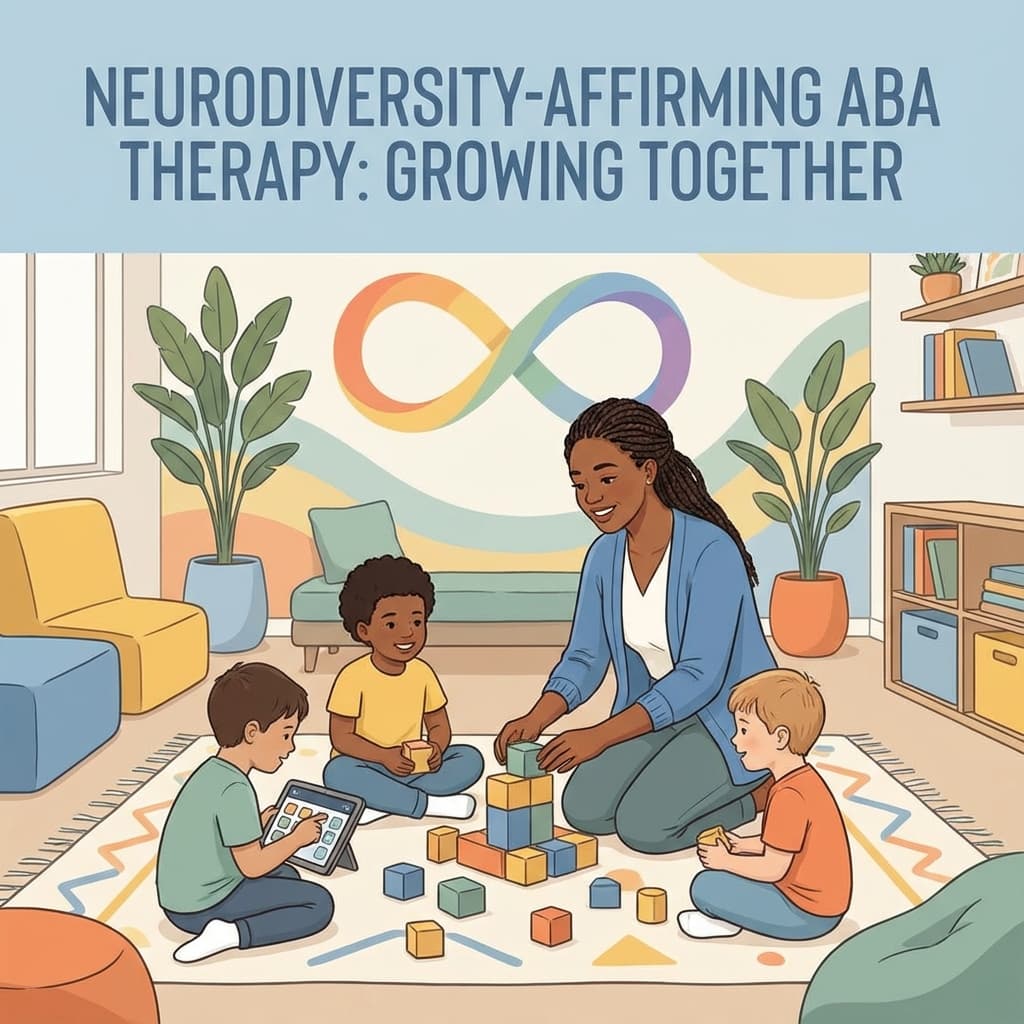
If you’ve been researching autism therapies online, you’ve likely encountered some strong opinions about Applied Behavior Analysis (ABA). Some call it a miracle; others call it harmful. For a parent just trying to help their child, this polarized debate can be terrifying.
The truth is, ABA has evolved significantly over the last few decades. The rigidity of the past has largely been replaced by play-based, child-centered approaches. Let’s tackle the 7 big myths head-on.
Myth #1: "ABA turns children into robots."
The Fear: That therapy will make a child exhibit rigid, unnatural behaviors or only speak in scripted phrases.
The Reality: In the early days of ABA, there was a heavy focus on repetition which sometimes led to robotic responses. Modern ABA is different. We prioritize functional communication and spontaneity. We teach skills in the natural environment (during play, snack, or walks) precisely so the child learns to use them flexibly in real life, not just at a desk.
Myth #2: "ABA tries to 'cure' autism or change who my child is."
The Fear: That the goal is to erase the child's personality or autistic traits to make them "normal."
The Reality: Autism is not a disease to be cured; it is a neurotype. The goal of ABA is not to make a child "less autistic," but to make them more independent. We focus on removing barriers to their happiness—like the inability to communicate needs or dangerous behaviors—while celebrating their unique quirks, passions, and personality.
Myth #3: "ABA uses punishment."
The Fear: That therapy involves scolding, timeouts, or aversives.
The Reality: Ethical ABA relies almost exclusively on positive reinforcement. We focus on rewarding what the child does right. Punishment is not an effective teaching tool. If a child is struggling, we assume it's because they lack a skill or support, not because they need "discipline."
Myth #4: "ABA is just table work and drilling."
The Fear: That the child will be stuck at a desk for 40 hours a week doing boring drills.
The Reality: While some table time might be used for specific skills, play-based learning is central to our approach, especially for young children. Therapy happens on the floor with cars, outside on the swing, or while making a snack. If the child isn't having fun, they aren't learning effectively.
Myth #5: "It's basically dog training."
The Fear: That using rewards treats a human child like a pet.
The Reality: Reinforcement is a human principle. We all go to work for a paycheck (reinforcement) and smile when our friends laugh at our jokes (social reinforcement). ABA simply systematizes this natural process. We identify what your specific child loves—whether that's Tickle Me Elmo, praise, or breaks—and use that motivation to make learning hard things easier and more rewarding for them.
Myth #6: "ABA is only for severe behaviors."
The Reality: While ABA is famous for reducing aggression and meltdowns, it is equally powerful for building skills. We work with many "high-functioning" children on advanced skills like conversation, perspective-taking, understanding sarcasm, and flexible thinking.
Myth #7: "Therapy happens behind closed doors."
The Reality: Parent involvement is mandatory for success! We want you in the room. We want to show you what we're doing so you can do it too. You are the expert on your child; we are just the consultants helping you reach your goals.
Experience the Difference
At Buzz ABA, we practice Neurodiversity Affirming ABA. This means we respect your child's "no," validate their emotions, and prioritize their dignity above all else. Serving families in Concord, Manchester, Nashua, and throughout NH. Come see the difference for yourself.
Schedule Free Consultation